How to give Water Birth?
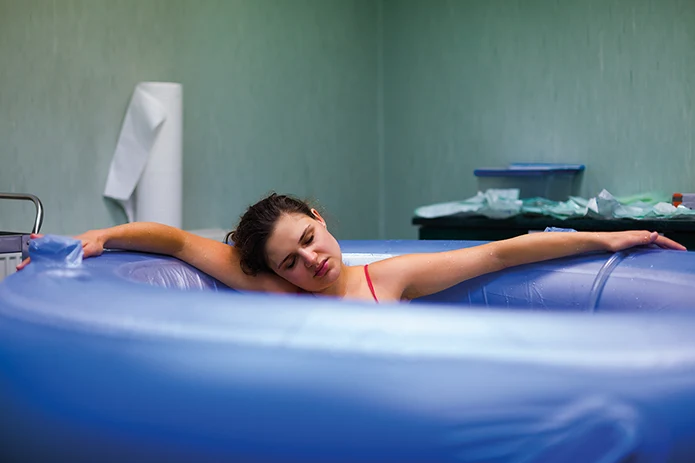
The mother enters a water-filled pool or a special birthing pool to relax during contractions and make the birthing process more comfortable. This method may be preferred by expectant mothers who want a natural and less interventionist birth.
For a mother planning a water birth, she, along with her doctor and midwife, should be well-informed and prepared.
The following steps can be followed for a water birth.
1. Beginning and Preparation for Water Birth:
• Initial Contractions: Labor begins with the active phase of childbirth. The mother's uterus starts contracting at regular intervals, and these contractions become increasingly intense. This stage is usually the time to go to the hospital or birthing center.
• Preparing to Enter the Water: If the mother wants her labor and delivery to take place in water, she should ensure that a suitable pool is available in the planned birthing environment. The water temperature is usually maintained between 37-38°C, as this is comforting for the mother.
• Team and Environment Preparation: A birth team and a specialist doctor or midwife should be present in the water birth setting. Additionally, the cleanliness and hygiene conditions of the water are extremely important.
2. Progression of Labor Stages:
• Filling the Pool and Entering: The mother can enter the water pool at the onset of contractions or when the intervals between contractions shorten. The water helps reduce body weight, allowing the mother to relax. Being in the water during contractions eases the pressure on the body and increases the mother's freedom of movement.
• Relaxing Effect of Water: The warmth and buoyancy of the water help relax muscles, reducing pain. The mother can try different positions in the water, such as squatting while holding onto the edge for support.
• Intensifying Contractions: Over time, contractions become more intense. The mother may spend more time relaxing in the water between contractions. The calming effect of water lowers stress levels and alleviates fears related to childbirth.
• Trying Different Positions: One of the biggest advantages of water birth is the flexibility to change positions. Water allows the mother to move freely, which can help facilitate and optimize the birthing process.
3. Approaching Birth:
• Baby Descends into the Birth Canal: As contractions continue, the baby starts descending into the birth canal. At this stage, the mother can comfortably assume a birthing position in the water without feeling much pain. If any complications arise during labor (such as irregular fetal heartbeats), the medical team can intervene immediately.
• Birth Position: During a water birth, as the baby moves down the birth canal, the medical team may recommend that the mother deliver on land. However, some women prefer to complete the birth in the water.
4. Birth of the Baby:
• Is the Baby Born in Water? In some cases, particularly when mothers choose water birth, the entire birth process can occur in the water. However, the birth team must be prepared before the baby emerges into the water.
• Baby and Mother Care:
After birth, the mother establishes skin-to-skin contact with the baby and transitions into the postpartum period. Following the baby's birth, the placenta is delivered. The placenta can also be delivered in water.
5. Postpartum:
• Mother and Baby Care:
After birth, the mother and baby may exit the water. The mother can rest comfortably for postpartum care. The baby usually begins breastfeeding immediately and maintains skin-to-skin contact with the mother. This first contact and initial breastfeeding can also be done in water.
• Monitoring and Observation:
After delivery, the doctor, nurse, or midwife continues to monitor the health of the mother and baby. If there are no complications following a water birth, the mother and baby may be discharged after a few hours of observation.
Summary:
Spending labor in water aims to make the birthing process more comfortable and natural. The warmth and buoyancy of the water help the mother relax, facilitate pain management, and make childbirth less stressful. However, for a successful water birth, the birthing environment must meet hygiene standards, be supervised by an expert team, and be considered based on medical conditions.



E-Newsletter Subscription
Sign up for our E-newsletter for free to receive information, news, and updates.