What is Water Birth?

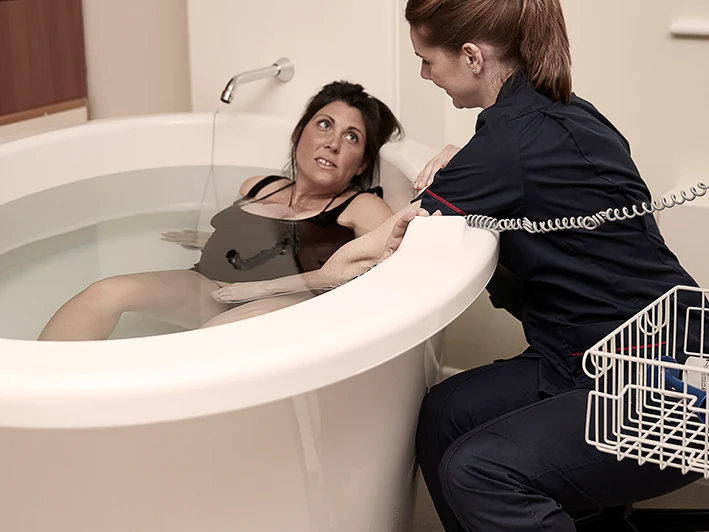
Hydrotherapy during childbirth is a method that utilizes the relaxing and pain-relieving properties of water to help expectant mothers feel physically and psychologically comfortable during labor. Water birth is one of the preferred methods for mothers seeking relaxation, pain management, and a natural environment during childbirth. The effects of water on the body during labor help relieve pain, relax muscles, accelerate the birthing process, and provide an overall more comfortable birthing experience.
Hydrotherapy can be applied in various ways:
1. Warm Water Bath: A warm water bath may be recommended for the expectant mother before, during, or after childbirth. The temperature of this water is typically around 37-38°C. The warm water helps relax the muscles and reduces the intensity of labor pains.
2. Water Birth Pools: The mother gives birth in a water birth pool. This allows her to benefit from the relaxing effects of water. Water reduces the body's weight and can help open the birth canal, facilitating the birthing process.
The mother can take advantage of the relaxing effect of water during contractions, making labor more comfortable and easier. Some women only spend the labor phase in water, while the actual delivery is performed on land.
The term Water Birth is used for the method where the baby is born in the pool. The entire labor process can take place in the pool (Water Birth), or the mother may be moved to the birthing bed before delivery.
Although water birth has become more widespread in recent years as a modern birthing practice, its historical roots date back much further. Various forms of this practice can be found in history. The history of water birth is a process in which similar practices have been observed in different cultures and periods:
Ancient Times and Early Uses
There is no exact information on when water birth began, but historical sources indicate that the use of water in childbirth was common in ancient civilizations.
- Ancient Egypt: Archaeological findings suggest that water was used for its relaxing effects during childbirth in ancient Egypt. It is believed that women entered the water to relax during labor.
- Ancient Greece and Rome: Written sources and depictions indicate that women in Greece and Rome also used water before, during, and after childbirth to relax. However, these practices were likely aimed at pain relief and facilitating labor.
Modern Water Birth
The modern use of water birth emerged in the 20th century as a more systematic and scientific approach. Several key milestones contributed to the resurgence of water birth:
1950s-1960s: Modern water birth practices began to gain attention in Europe in the mid-20th century. The observation of water's relaxing effects during labor led to the popularization of alternative birthing methods in various Western countries. However, water birth practices were still experimental and limited at that time.
1960s and 1970s - France: From the late 1960s, French gynecologist Frederick Leboyer's idea that birth should be more natural and less traumatic helped revive interest in water birth. Leboyer argued that water during labor helped mothers relax and could improve the birth experience.
1980s-1990s: Water birth became more widespread in Western countries, particularly in the 1980s and 1990s. Birth pools, birthing centers, and hospital delivery rooms started incorporating water tubs. During this period, many women sought to experience the relaxing effects of water during childbirth.
1990s-Present: Today, water birth has become a popular option, especially for mothers with low-risk pregnancies who prefer natural birth. Various birth centers and hospitals worldwide provide the necessary equipment and suitable environments for safe water birth.
Water Birth Today
Water birth is recognized as a modern birthing method in many countries and is generally preferred for healthy pregnancies and low-risk mothers. However, it may not be suitable for every pregnancy and labor, and medical approval is required before opting for water birth. Countries where water birth is commonly practiced include the Netherlands, the United Kingdom, France, Australia, and Canada.
In Turkey, significant efforts have been made to develop the infrastructure for water birth. Public hospitals, university hospitals, and private hospitals continue to improve their facilities to prioritize maternal and infant health during labor, incorporating alternative methods such as water birth. These advancements allow expectant mothers to experience a more comfortable and natural childbirth. Medical professionals, including doctors, midwives, and nurses, receive training on water birth practices. Certified birthing teams and specialized doctors ensure that water births are conducted correctly.

E-Newsletter Subscription
Sign up for our E-newsletter for free to receive information, news, and updates.