The Advantages of Water Birth
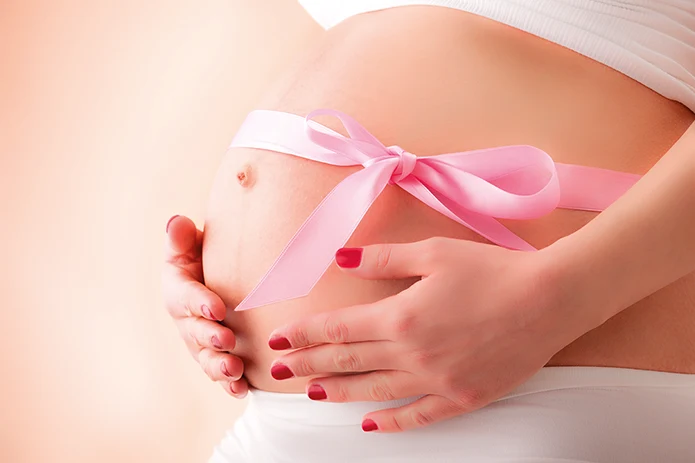
When a baby is born in water, this process can psychologically help both the mother and baby establish an emotional bond more quickly after birth. Additionally, since the baby has been in amniotic fluid for nine months, being born in a similar environment can facilitate the adaptation to the new world.
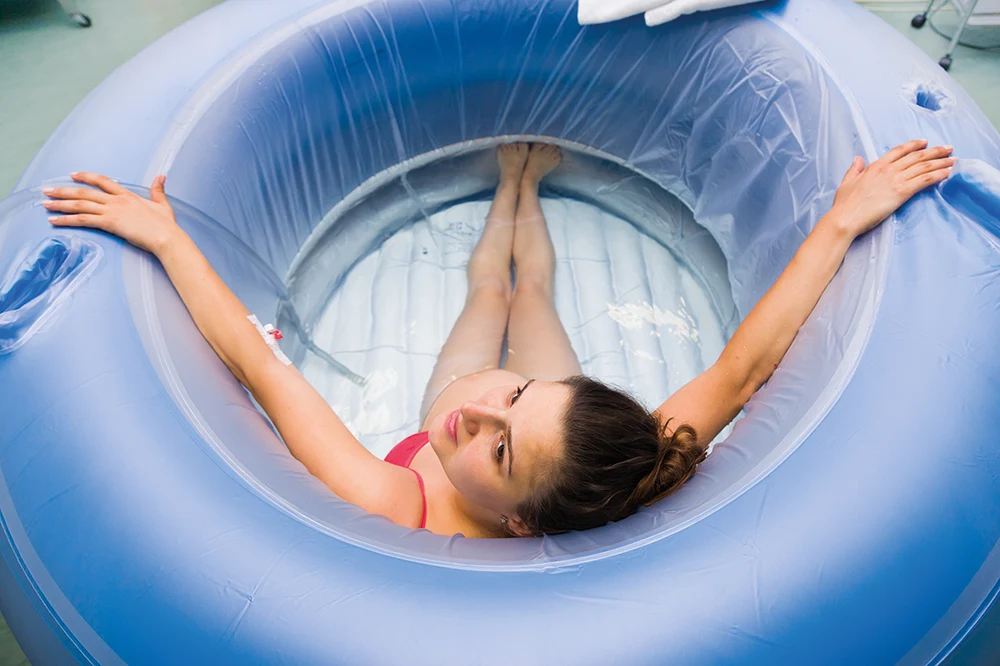
One of the biggest advantages of water birth is the use of warm water (37-38ºC). Warm water has long been used in traditional births to relax vaginal muscles. In water birth, warm water provides relaxation in the perineum, vagina, and cervix, which helps reduce labor pain.
The buoyancy of water allows the mother to move more comfortably and reduces the strain during pushing. Additionally, the soothing and relaxing effects of warm water promote the release of oxytocin and endorphins, which help the mother feel happier and more peaceful.
Another benefit of water birth is the reduced need for an episiotomy (a surgical incision made in the vaginal area to ease childbirth).
1. A More Natural Birth Experience
Water birth is a method with minimal medical interventions, such as epidural anesthesia, medications, or C-section. Mothers who prefer minimal intervention opt for water birth to maintain the natural rhythm of their bodies without external interference.
• Mothers who prefer drug-free childbirth can manage labor pain more effectively thanks to the relaxing effect of water.
• It is also ideal for those who want to limit medical interventions and complications during birth.
2. The Relaxing and Pain-Relieving Effect of Water
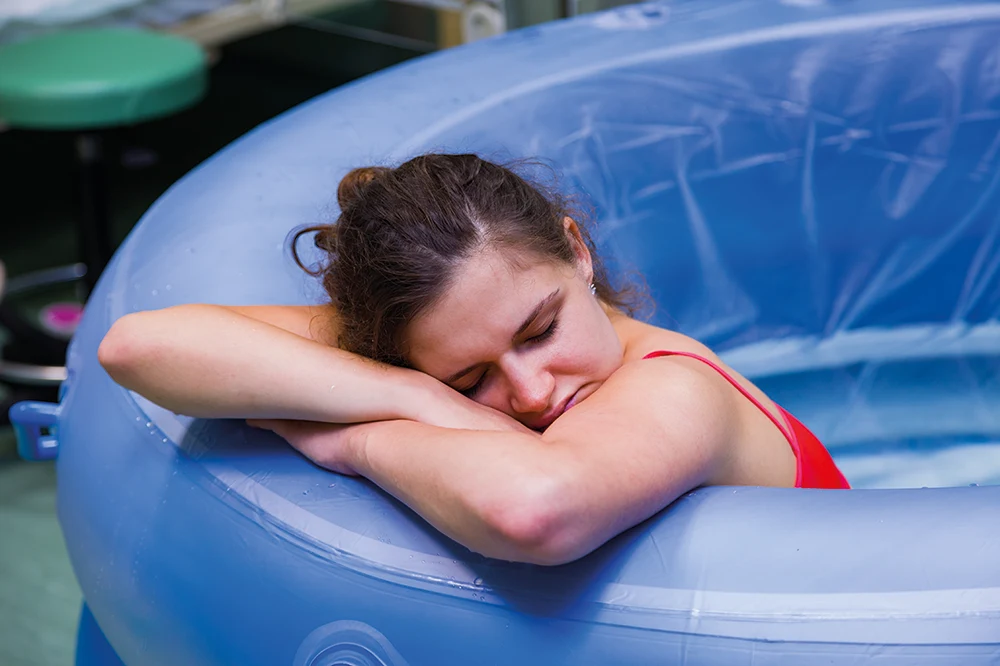
Water helps the mother relax and reduces the intensity of contractions. By alleviating the discomfort of contractions, water birth allows mothers to experience labor more comfortably. Warm water relaxes muscles and improves blood circulation, making the birth process less painful and more comfortable.
• Warm water helps relieve pain during childbirth.
• Water’s pain-relieving effect helps mothers focus on labor and stay calm.
• If desired, the mother can leave the water and re-enter. The recommended duration for staying in water is approximately 2-4 hours.
3. Less Medical Intervention
Water birth is often chosen as a method requiring minimal medical intervention. Mothers who prefer minimal intervention want doctors or midwives to manage labor with as little interference as possible. This allows them to experience childbirth in a more natural and controlled manner.
• The mother can choose the position that feels most comfortable, allowing labor to progress naturally.
• It helps avoid interventions like C-sections or epidural anesthesia, keeping the birth process as natural as possible.
4. A Calm and Natural Environment
A peaceful and natural birth environment is an essential factor for many mothers. Being in water can help the mother relax, reduce fear of childbirth, and provide a generally calmer birthing experience.
• Water creates a soothing environment, helping the mother cope better with labor.
• A calm birth setting reduces stress for both the mother and baby during delivery.
5. Ability to Try Different Positions
Water birth gives the mother more freedom of movement. Water makes it easier for the mother to change positions, allowing her to feel more comfortable during labor. Moving freely in the water can help progress labor, and trying different positions can speed up delivery.
• Mothers can choose positions that feel most comfortable during labor.
• Being in water reduces body weight and relieves pressure, making childbirth more comfortable.
6. Adaptation to the Physiological Birth Process
Water birth allows both the mother and baby to experience a birth process with minimal intervention. While the mother’s body naturally guides labor, the soothing effect of water helps the process unfold more smoothly.
• Water birth follows the mother’s natural rhythm, minimizing the need for interventions.
• It enables the mother to participate more actively in each stage of labor.
7. Benefits for the Baby
Water birth benefits not only the mother but also the baby. Babies born in water may experience less trauma while passing through the birth canal, as the water provides a gentler transition. Additionally, since the baby does not submerge immediately after birth, they can begin breathing oxygen right away.
• The risk of trauma is lower for the baby because the transition is smoother.
• The warm water after birth provides a comforting experience for the baby.
8. Minimal Intervention and Greater Natural Involvement
Women who prefer minimal intervention want to avoid excessive medical procedures during childbirth. This means reducing the use of medical equipment, medications, and surgical procedures to the lowest level possible. Water birth allows labor to progress naturally.
Water birth has become an appealing choice for mothers who want a natural, less-intervened birth. This method is ideal for those who prefer a childbirth experience that is as natural as possible. The relaxing effect of water makes labor calmer and less painful, while also giving mothers greater control and freedom during birth. However, since every pregnancy and labor is unique, consulting a doctor to determine whether water birth is suitable is crucial.

E-Newsletter Subscription
Sign up for our E-newsletter for free to receive information, news, and updates.